
 Local Government Explained
The hidden value of unsold goods: what Scotland is losing

Zero Waste Scotland
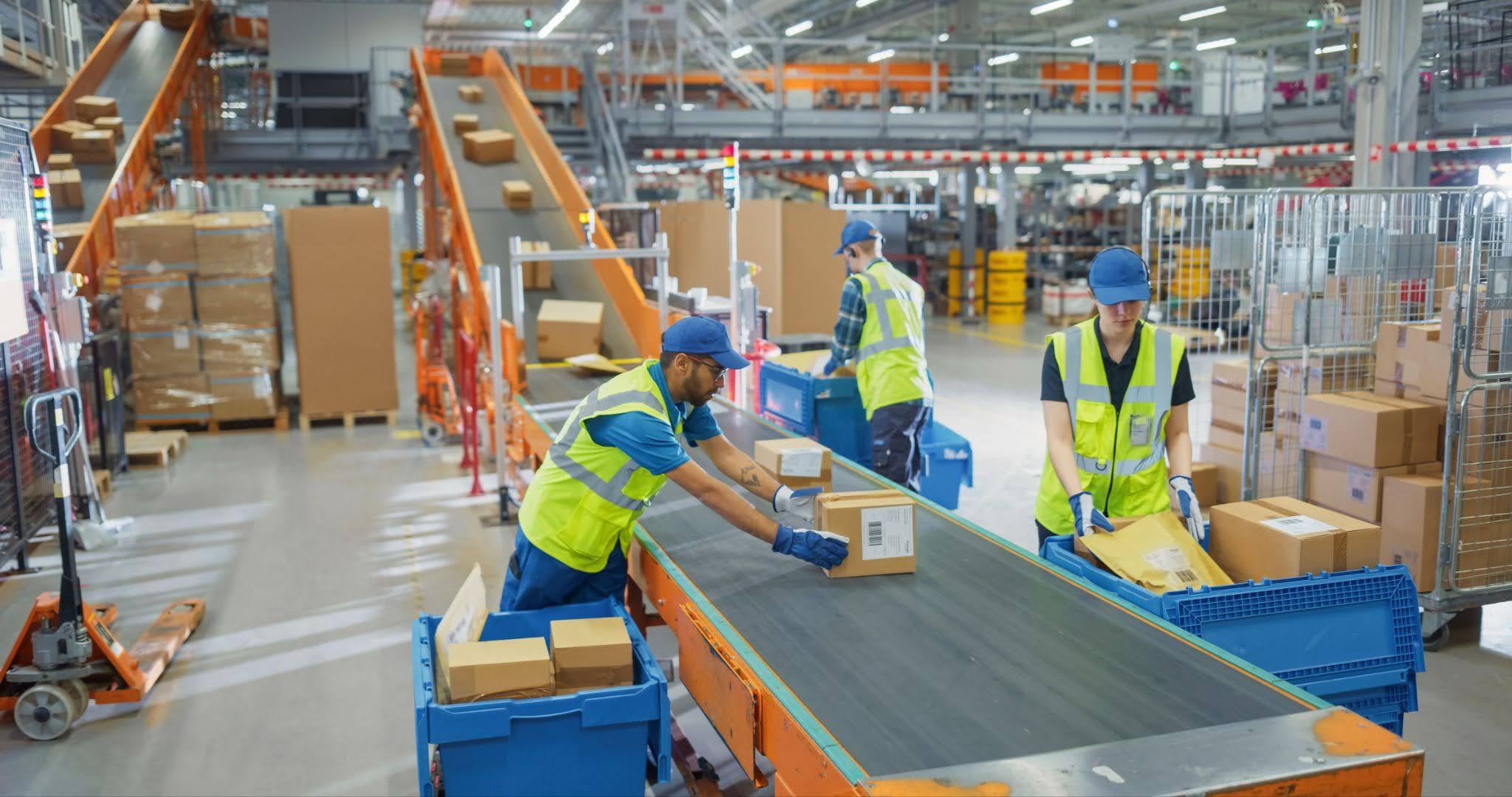
What if the biggest story about unsold goods is not the waste, but the value we are losing? Every day, perfectly good products go unsold. They might be left on a shelf, returned by a customer, damaged in storage or simply produced in greater numbers than needed.
That means lost income for businesses, as well as wasted materials, energy and resources. With 80% of Scotland’s carbon footprint linked to the products we buy, use and dispose of, the environmental cost matters too.
Zero Waste Scotland has published a new series of reports looking at the hidden value of unsold goods in Scotland. This new series of reports explores why products go on to become unsold, what businesses currently do with them and what local authorities could do to help prevent more useful items from going to waste.
Putting a number on it
Just how much value is at stake? Because there’s no single dataset capturing unsold goods in Scotland, the research modelled indicative figures using French data alongside Scottish and UK turnover data. This estimates the annual value of unsold goods in Scotland is around £256m. This is broken down into around £139m in textiles, £75m in furniture, £26m in electronics and electrical equipment, and £16m in cosmetics and beauty products. The figures shouldn’t be treated as definitive, but they give a strong sense of the relative scale of the issue and where intervention could have the greatest impact.
Why goods go unsold in the first place
The reasons products end up unsold are varied. This could be product damage (meaning they can’t be sold to a consumer); packaging problems; compliance issues; a growing returns culture and the reverse logistics needed to handle it; forecasting challenges and demand uncertainty; storage costs and shrinking sales windows; fast-moving trends and marketing-led obsolescence; and, underpinning much of it, over-production driven by mass manufacturing.
Redistribution: the preferred option, but not a simple one
Redistributing unsold goods – to charities, community groups or resale markets – is often held up as the preferred alternative to disposal. But this research found a wide range of practical, commercial and systemic barriers currently limit how much of this actually happens.
This can be down to concerns over brand reputation and market control, the cost of repair (which for low-value goods often exceeds their resale value), storage and logistics constraints, limited awareness of redistribution routes, gaps in infrastructure and capacity, an oversupply of low-value or low-quality goods, and contractual or liability constraints. These barriers interact with each other, meaning even small obstacles can be enough to send otherwise usable goods to disposal instead of reuse.
Scotland doesn’t currently have a system in place to manage large-scale flows of unsold goods, and redistribution from commercial sources remains limited and inconsistent. The third sector has shown willingness to play a bigger role, but is held back by the same operational, financial and infrastructural pressures.
Policy is starting to catch up, though. The Circular Economy (Scotland) Act 2024 enables regulations that could prohibit or restrict the disposal of unsold consumer goods, while in the EU, the Ecodesign for Sustainable Products Regulation sets out a framework specifically aimed at addressing the destruction of unsold goods.
The data gap holding Scotland back
One of the research’s central findings is that Scotland currently lacks robust, Scotland-specific data on unsold goods. That’s not because the information doesn’t exist within businesses and organisations – it’s more a reflection of how data is currently collected, stored and used across the value chain. Without that visibility, it’s hard to know the true scale of the problem, let alone track progress in tackling it.
Where the real opportunity lies
The research is clear; the greatest opportunities lie upstream, before goods become unsold in the first place. Preventing surplus is both more effective and less costly than managing it after the fact. Better reporting, alongside any restrictions on disposal, could help build a clearer picture of where and why surplus arises.
Improving forecasting and demand-matching stands out as a key opportunity – better integration between sales, marketing and production, supported by better data, can help reduce mismatches between supply and demand.
Product design matters too: goods built to be durable, repairable and visually appealing for longer are less likely to become obsolete, and ecodesign principles such as modular design can stop minor defects from making a product unsellable altogether.
There’s also scope for different business models altogether. Rental, take-back and resale-first approaches can help reduce over-production while still protecting revenue streams – proof that commercial success doesn’t always have to rest on shifting ever-higher volumes of new stock.
What needs to happen next
Taken together, the research points to a handful of key considerations for Scotland: creating incentives to reduce over-production, especially in sectors like textiles and cosmetics where redistribution is structurally limited or unlikely to work at scale; targeting redistribution models – whether centralised hubs, brokerage platforms or local partnerships – to the goods, volumes and contexts they suit best; using existing regulatory tools, including producer responsibility frameworks, so they support reuse rather than accidentally favouring disposal or recycling; and improving coordination and information-sharing across supply chains so that surplus can be better matched with demand.
While businesses and organisations across Scotland are managing unsold products every day, there is currently no consistent picture of the scale of the issue or the value being lost. Preventing surplus from arising in the first place offers the greatest opportunity to reduce waste and retain value in the economy – but where surplus does occur, outcomes depend on whether the right systems are in place to manage it safely, efficiently and at scale.
With the right ecosystem and measures in place, Scotland can maximise the economic, environmental and social benefits of keeping products in use for longer.
What does this mean for Scottish local government?
Whilst many of the causes of surplus sit within private-sector supply chains, there are areas where Scottish councils can contribute to this shift towards prevention.
Better data could support better local decision-making. As in the private sector, having a better understanding of which products are becoming surplus or waste, where this happens, and why could help councils and their partners identify opportunities for earlier intervention within local economic development, so as to reduce pressure on council waste departments.
Councils can also look at what, how and how much they buy. Through their own procurement, local authorities can reduce unnecessary consumption and create demand for products that are durable, repairable and designed to remain useful for longer. Councils can consider how their contracts and supplier relationships could support more accurate demand planning and reduce unnecessary purchasing.
There is a wider role in supporting local businesses to prevent surplus. Councils and their partners have opportunities to share learning with businesses through economic development and business support. Through this they can encourage businesses to explore better forecasting, more circular business models and other approaches that reduce the risk of products becoming unsellable.
Where surplus cannot be prevented, keeping goods in use is the next priority. Councils can help connect businesses with charities, social enterprises and other organisations able to redistribute or reuse goods. This could include helping develop local partnerships, reuse hubs or other ways of matching surplus goods with local demand, while recognising that different approaches will work for different products and places.
Discover the hidden value of unsold goods and explore the full report here.
Was this article helpful or relevant for you?


